.svg)

%201.svg)
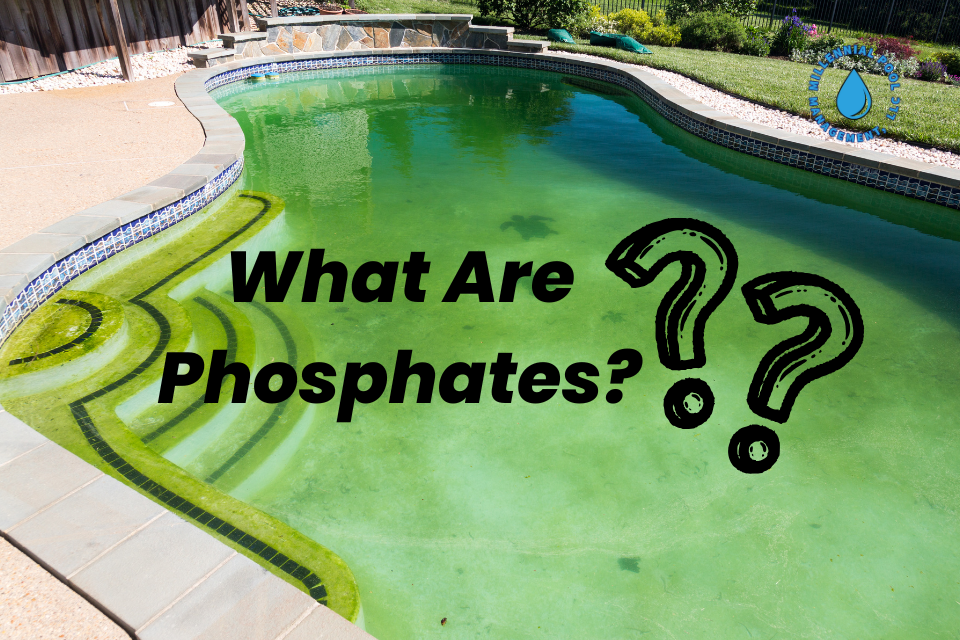
If your pool water seems to turn cloudy overnight or algae returns no matter how much chlorine you add, the problem may not be your sanitizer — it may be your phosphate levels.
Phosphates are one of the most overlooked factors in pool water balance, yet they’re often the fuel source that lets algae thrive. Even perfectly chlorinated pools can struggle if phosphates creep too high, especially in commercial and multi-property environments where water turnover is constant.
Let’s break down why phosphates matter, where they come from, and how to keep them under control.
1. What Exactly Are Phosphates?
Phosphates are compounds of phosphorus found naturally in many water sources — including your municipal tap water. They’re used by city water systems as a corrosion inhibitor, preventing pipes from rusting and leaching metals. Unfortunately, once that treated water reaches your pool, those same phosphates become algae fertilizer.
Other common sources include:
- Lawn fertilizer runoff or rainwater entering the pool
- Leaves, pollen, and organic debris
- Swimmer contaminants like soap, sunscreen, or sweat
- Some chemical additives (certain metal removers or clarifiers)
Even small amounts accumulate quickly, especially in commercial pools where auto-fill systems constantly introduce fresh tap water.
2. Why High Phosphates Are a Problem
Phosphates don’t make your pool unsafe to swim in, but they make it much harder to keep sanitized. Here’s what happens when they build up:
- Algae resistance: Chlorine works overtime to kill new growth, burning through sanitizer faster.
- Cloudy water: Algae spores multiply below the surface, reducing clarity.
- Increased chemical cost: You’ll use more chlorine, acid, and clarifiers to maintain balance.
- Poor heater efficiency: Algae and biofilm reduce water circulation and heat transfer.
Many health-department inspectors now include phosphate testing during commercial inspections for exactly these reasons.
3. Know What’s in Your Tap Water
Most pool owners never test their source water, assuming tap water is chemically neutral — but that’s rarely the case. Depending on your municipality, tap water may contain measurable levels of:
- Phosphates (0.3 – 1.0 ppm or higher)
- Copper or iron (from old pipes)
- High calcium hardness
- Low alkalinity
Filling or topping off with untreated water can completely shift your pool chemistry. For commercial pools that rely on autofill systems, these trace levels can add up fast.
Pro Tip: Before each season, test your source water just as you test your pool water. Understanding what’s coming out of the tap lets you anticipate how much balancing or treatment will be required.
4. How to Test for Phosphates
Testing is quick and inexpensive. You can use:
- Phosphate test strips (ideal for weekly monitoring), or
- Liquid test kits for precise digital readings in parts per billion (ppb).
- Click here for our recommended phosphate kit!
If levels exceed 300–500 ppb, it’s time to treat. Commercial pools with heavy fill cycles should test weekly during peak season.
5. How to Remove and Control Phosphates
Phosphates can’t be oxidized by chlorine — they must be chemically bound and filtered out. The best way to manage them is with a liquid phosphate remover, such as lanthanum chloride-based formulations.
Steps for treatment:
- Test and record your current phosphate level.
- Add the recommended dose of phosphate remover slowly through the skimmer or in front of a return jet.
- Allow the filter to capture precipitated phosphates (you may notice temporary cloudiness).
- Backwash or clean the filter within 24–48 hours.
- Retest and repeat if levels remain above 200 ppb.
For long-term prevention, maintain low phosphate levels and improve filtration and debris control.
Phosphate control is one of those behind-the-scenes details that separates reactive maintenance from true water management. By understanding what’s in your tap water and monitoring phosphate levels throughout the season, you’ll prevent algae, stabilize sanitizer use, and extend the life of your equipment.
If you’re ready to take a proactive approach to water chemistry, start by testing your fill water today — and make phosphate management part of your regular maintenance plan.